


In the ever-evolving landscape of digital marketing, staying ahead of the curve is essential for businesses aiming to thrive in a competitive environment. As we approach 2025, the proliferation of innovative technologies and strategies continues to reshape how brands connect with their audiences. To navigate this dynamic terrain, marketers must equip themselves with the right digital marketing tools that not only enhance productivity but also drive engagement and conversion rates. In this article, we’ll explore the 10 must-have digital marketing tools that are set to revolutionize the industry in the coming year, empowering you to maximize your marketing efforts and achieve unprecedented success. Whether you’re a seasoned professional or just starting out, these tools will be instrumental in helping you adapt to new trends and deliver impactful results.
SEO Tools for Enhanced Online Visibility

In the competitive landscape of digital marketing, having a strong online presence is essential for businesses looking to thrive. One of the most effective ways to achieve this is through the strategic use of SEO tools. These digital marketing tools are designed to optimize your website’s visibility in search engine results, driving organic traffic and ultimately enhancing your brand’s reach. By implementing the right SEO strategies, businesses can ensure they are not only seen by their target audience but also positioned favorably among competitors.
SEO tools can vary widely in functionality, but they generally fall into categories such as keyword research, site audit, backlink analysis, and performance tracking. Keyword research tools help marketers identify the terms and phrases that potential customers are using to search for products or services. This insight allows businesses to create targeted content that aligns with user intent, improving the chances of ranking highly on search engine results pages. Meanwhile, site audit tools can pinpoint technical issues that might hinder a website’s performance, allowing marketers to rectify these problems and enhance user experience.
Additionally, tracking and analyzing website performance is vital in the ever-evolving digital landscape. SEO analytics tools provide metrics that reveal how well your site is performing in terms of traffic, engagement, and conversion rates. By regularly monitoring these metrics, businesses can adjust their strategies accordingly and ensure that their online presence remains relevant. This continuous optimization process is critical for staying ahead of trends and maintaining visibility amidst shifting search engine algorithms.
Incorporating SEO tools into your digital marketing arsenal is not just about improving search rankings; it’s about building a comprehensive online strategy that resonates with your audience. By leveraging these tools effectively, businesses can navigate the complexities of digital marketing with greater ease, ensuring they capture the attention of potential customers and maximize their overall visibility. The investment in quality SEO tools is an investment in the long-term success of your online business, allowing you to thrive in a saturated market.
Social Media Management Platforms for Effective Engagement

In today’s fast-paced digital landscape, social media management platforms have become indispensable for businesses looking to enhance their online presence and foster effective engagement with their audiences. These digital marketing tools offer a suite of features that streamline content creation, scheduling, and analysis, making it easier for companies to communicate and connect with their target markets. By leveraging these platforms, organizations can devise comprehensive strategies that not only promote their products and services but also build brand loyalty and community.
One of the primary advantages of using social media management platforms is the ability to schedule posts across multiple channels simultaneously. This functionality allows businesses to maintain a consistent online presence without the need for constant manual updates. Moreover, these tools often come equipped with analytics capabilities, enabling companies to track engagement metrics, such as likes, shares, and comments. By analyzing this data, marketers can gain insights into customer preferences and behaviors, allowing them to refine their strategies and tailor their content more effectively.
Engaging with followers is another critical aspect of social media management that these platforms simplify. Features such as comment monitoring, direct messaging, and audience segmentation enable brands to respond promptly to inquiries and feedback, fostering a sense of community and connection. Additionally, many social media management tools allow for the implementation of social listening strategies, helping businesses stay informed about industry trends and conversations that matter to their audience. This proactive approach not only enhances customer relations but also positions brands as thought leaders within their respective markets.
In summary, the integration of social media management platforms into a business’s digital marketing toolkit can significantly enhance engagement efforts and streamline communication with audiences. By leveraging the scheduling, analytics, and interactive capabilities of these digital marketing tools, organizations can cultivate a vibrant online presence that resonates with users, ultimately driving growth and fostering long-term customer loyalty. As the digital landscape evolves, staying ahead of the curve with these tools will be essential for businesses looking to thrive in a competitive market.
Email Marketing Software for Targeted Campaigns
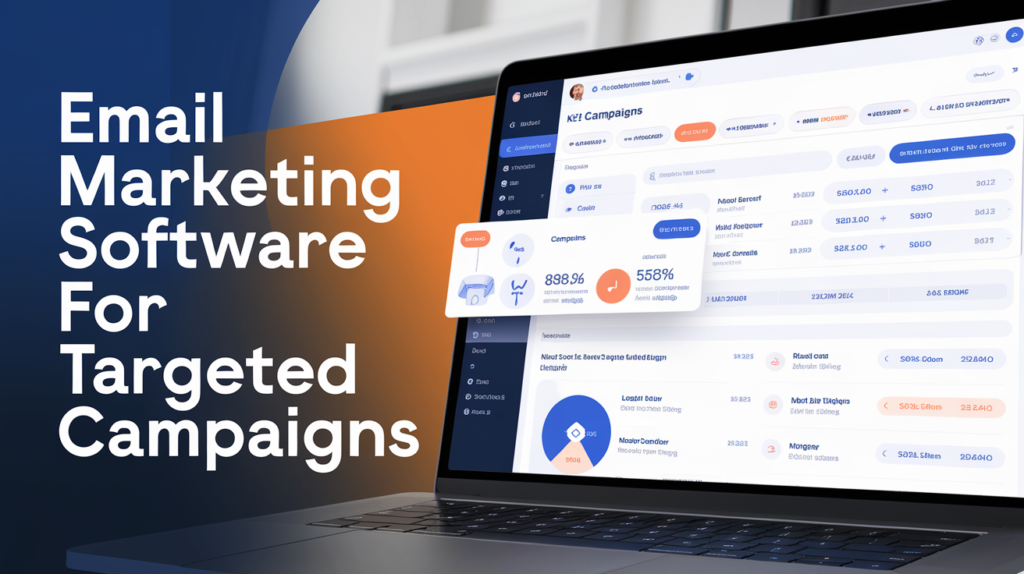
In the ever-evolving landscape of digital marketing, businesses are constantly seeking ways to engage their audiences more effectively. Email marketing remains a cornerstone of successful outreach strategies, particularly when it comes to targeted campaigns. Utilizing specialized email marketing software allows marketers to segment their audiences based on various demographics, behaviors, and preferences. This segmentation ensures that the content resonates with recipients, leading to higher open rates and improved conversions.
Modern email marketing software provides a suite of digital marketing tools that streamline the process of crafting personalized messages. Features such as advanced analytics enable marketers to track user engagement, which can inform future campaigns. For instance, by analyzing open and click rates, you can refine your targeting strategies and adjust your content to better align with your audience’s interests. This level of insight is invaluable in not just reaching your audience but truly connecting with them.
Moreover, many of these tools offer automation options that can further enhance the effectiveness of your campaigns. Automated workflows allow for timely follow-ups and targeted messaging based on user behavior, ensuring that customers receive the right message at the right time. This not only saves valuable time but also optimizes the customer journey, creating a seamless experience that fosters brand loyalty and drives sales.
Incorporating email marketing software into your overall digital marketing strategy can revolutionize your approach to customer engagement. As brands compete for attention in a crowded marketplace, leveraging these tools to deliver tailored content will set you apart from the competition. The ability to nurture leads through targeted campaigns significantly enhances your marketing efforts, making email marketing an essential strategy for businesses looking to thrive in the digital age.
Analytics Tools for Data-Driven Insights

In the fast-evolving landscape of digital marketing, harnessing the power of data is more crucial than ever for businesses looking to gain a competitive edge. Analytics tools have emerged as essential components for organizations committed to transforming raw data into actionable insights. By leveraging these tools, marketers can make informed decisions that optimize strategies, enhance customer engagement, and ultimately drive growth. In a world where customer preferences and behaviors shift rapidly, the ability to analyze trends and predict outcomes sets successful campaigns apart from the rest.
Many digital marketing tools now come equipped with robust analytics features that allow for real-time tracking of key performance indicators (KPIs). These metrics not only provide clarity on campaign successes and failures but also help in understanding the target audience more deeply. User engagement, conversion rates, and customer acquisition costs can all be meticulously monitored, allowing businesses to pivot their strategies based on comprehensive insights. This real-time feedback loop empowers marketers to refine their approaches, making their campaigns more effective and tailored to consumer needs.
Moreover, analytics tools can also facilitate A/B testing, providing valuable data about which elements of a campaign resonate best with the audience. Whether it’s tweaking ad copy, changing imagery, or adjusting audience segmentation, the ability to experiment based on analytic feedback ensures that marketing efforts yield maximum ROI. Additionally, integrating various digital marketing tools can create a cohesive ecosystem where data flows seamlessly, further enriching the insights that marketers can leverage to enhance their strategies.
In conclusion, the significance of analytics tools in the realm of digital marketing cannot be understated. They act as a guiding compass in the vast sea of data, helping businesses navigate complexities and uncover opportunities. By making data-driven decisions, organizations not only bolster their marketing initiatives but also foster a culture of continuous improvement that is vital for long-term success. In this age of information, those who embrace analytics will undoubtedly be the trailblazers in their industries.
Content Creation Platforms for Engaging Marketing Campaigns
In today’s fast-paced digital landscape, engaging marketing campaigns are essential for capturing the attention of target audiences. To effectively achieve this, brands are increasingly turning to content creation platforms that serve as powerful digital marketing tools. These platforms offer a variety of features that help create, edit, and distribute content in ways that resonate with consumers. From social media graphics to video production, these tools not only simplify the creative process but also enhance collaboration among team members, ensuring that the marketing message is cohesive and impactful.
One of the standout benefits of using content creation platforms is the accessibility they provide. With user-friendly interfaces and pre-designed templates, even those with minimal design skills can produce high-quality content. This democratization of content creation empowers marketers to experiment with different formats, whether it’s crafting eye-catching infographics, creating informative blog posts, or producing engaging video content. The result is a more diversified marketing strategy that appeals to various consumer preferences, ultimately leading to higher engagement rates.
Moreover, many of these platforms come equipped with analytics features, allowing marketers to track the performance of their content in real time. By analyzing engagement metrics, brands can gain valuable insights into what types of content resonate most with their audience. This data-driven approach enables continuous optimization of marketing campaigns, ensuring they remain relevant and effective. Whether adjusting messaging or modifying visual elements, the ability to fine-tune marketing efforts based on real feedback is a game changer in the world of digital marketing.
As the digital marketing landscape continues to evolve, content creation platforms are becoming indispensable tools for brands looking to stand out. By harnessing these digital marketing tools, businesses can create engaging content that not only captures attention but also fosters lasting connections with their audience. This shift towards leveraging innovative platforms underscores the importance of adaptability and creativity in successful marketing campaigns, paving the way for future growth and engagement.
Automation Tools for Streamlined Marketing Processes
In today’s fast-paced digital landscape, businesses are continually seeking ways to optimize their marketing processes to stay ahead of the competition. Automation tools have emerged as indispensable assets, allowing marketers to streamline their workflows, enhance productivity, and improve campaign effectiveness. By leveraging these digital marketing tools, companies can focus on strategic decision-making rather than getting bogged down by repetitive tasks that can be automated.
One of the primary benefits of using automation tools is the ability to manage multiple marketing channels from a single platform. Many digital marketing tools offer integrated solutions for social media scheduling, email marketing, and analytics reporting, facilitating seamless campaign management. For instance, marketers can schedule posts across various social platforms in advance, ensuring consistent engagement while freeing up time for more creative aspects of their strategy. Furthermore, automated email campaigns can be personalized based on user behavior, leading to higher engagement rates and conversions.
Another significant advantage of utilizing these automation tools is the data-driven insights they provide. Automated analytics and reporting functionalities allow businesses to track performance metrics in real-time, enabling quick adjustments to campaigns. This agility is crucial in an era where consumer preferences shift rapidly, and organizations must adapt to maintain relevance. By utilizing these digital marketing tools to analyze data, marketers can identify successful strategies and optimize those that aren’t performing as expected.
Moreover, automation tools play a vital role in enhancing customer relationship management. By automating follow-ups, lead nurturing, and customer segmentation, businesses can ensure that they maintain meaningful communication with their audience. A well-executed automation strategy not only improves efficiency but also helps in delivering a personalized experience, fostering stronger relationships with customers. Ultimately, integrating automation tools into marketing processes is no longer a luxury but a necessity for businesses aiming for growth and sustainability in the digital age.
Influencer Marketing Platforms for Brand Collaboration

In the rapidly evolving landscape of digital marketing, influencer marketing has emerged as a powerful strategy for brands looking to engage their target audiences. With social media platforms continuously shaping consumer behavior, businesses have recognized the potential of collaborating with influencers to enhance their brand visibility and credibility. Influencer marketing platforms have sprung up to facilitate these partnerships, providing valuable digital marketing tools that streamline the entire process for brands and influencers alike.
These platforms usually offer robust features, including influencer discovery, campaign management, and performance analytics. Brands can easily search for influencers who align with their values and target demographics, thanks to advanced filtering options that categorize influencers by niche, reach, engagement rate, and audience demographics. This targeted approach ensures that brands can find the right ambassadors for their products, maximizing the potential for authentic collaborations that resonate with consumers.
Moreover, influencer marketing platforms often include tools to manage campaigns from inception to completion. They enable brands to coordinate communications with influencers, track deliverables, and monitor the effectiveness of their marketing efforts in real-time. By providing comprehensive analytics, brands can evaluate the return on investment (ROI) of their influencer partnerships and adjust their strategies as needed. This data-driven insight is invaluable for refining future campaigns and ensuring that marketing budgets are allocated effectively.
As influencers continue to play a significant role in shaping consumer opinions, the importance of utilizing the right digital marketing tools cannot be overstated. By embracing influencer marketing platforms, brands not only streamline their collaboration efforts but also tap into the powerful networks of social influencers who can authentically promote their products. In a world where consumer trust is paramount, leveraging these platforms can significantly enhance a brand’s image and drive impactful results.
Website Optimization Tools for Improved User Experience
In today’s digital landscape, creating an exceptional user experience is paramount for retaining visitors and converting them into customers. Website optimization tools play a crucial role in enhancing user engagement by ensuring that sites load quickly, are easy to navigate, and deliver the information users seek without unnecessary hassle. With a variety of digital marketing tools available, businesses can effectively analyze and improve the performance of their websites. From visual layout to backend functionality, these tools provide invaluable insights that help in fine-tuning every aspect of a site.
One of the primary aspects of user experience is website speed. Slow-loading pages can lead to high bounce rates, as users often do not have the patience to wait for content to appear. Tools like Google PageSpeed Insights and GTmetrix allow website owners to assess their site’s performance and identify bottlenecks that could be causing delays. By optimizing images, reducing server response times, and minifying code, businesses can markedly improve loading speeds, ensuring that visitors stay engaged instead of navigating away in frustration.
Another vital component of user experience is mobile optimization. With an increasing number of users accessing websites via smartphones and tablets, it is essential to ensure that websites are responsive and accessible across various devices. Digital marketing tools such as Mobile-Friendly Test help website owners verify that their sites conform to mobile usability standards. Furthermore, implementing a responsive design not only enhances user satisfaction but also positively impacts search engine rankings, thus increasing organic traffic.
Lastly, user behavior analytics is an area where optimization tools shine. Understanding how visitors interact with a website—what they click on, where they spend the most time, or where they drop off—can provide critical data for improving a site’s layout and content. Tools like Hotjar and Crazy Egg offer heatmaps and session recordings, giving businesses a comprehensive view of user engagement patterns. By combining this data with other digital marketing tools, companies can refine their online strategies, ultimately creating a seamless and enjoyable experience that keeps users coming back for more.
Advertising Platforms for Targeted Reach
In today’s digitally dominated landscape, businesses are leaning heavily on advertising platforms that offer targeted reach. The advent of sophisticated digital marketing tools has revolutionized how companies connect with their audience. No longer constrained by traditional advertising methods, brands can now tailor their strategies to target specific demographics based on age, preferences, location, and even browsing behavior. This heightened level of customization ensures that marketing messages resonate more effectively with potential customers, ultimately increasing conversion rates and maximizing return on investment.
Social media platforms, such as Facebook, Instagram, and LinkedIn, have emerged as top contenders in the realm of targeted advertising. These platforms provide advanced targeting options, allowing marketers to segment their audience with precision. For instance, Facebook’s ad manager enables advertisers to refine their audience based on interests, behaviors, and even life events. This capability ensures that what users see in their feeds aligns closely with their needs and desires, increasing the likelihood of engagement and interaction. Alongside social media, search engine advertising through platforms like Google Ads allows businesses to appear at the very moment potential customers are searching for relevant products or services, further elevating their chances of capturing interest.
Additionally, programmatic advertising has taken the concept of targeted reach to new heights by using algorithms to automate the buying and selling of ad space. This approach not only streamlines the process but also leverages big data to serve ads to the most relevant viewers across various websites and platforms. As a result, brands can optimize their advertising spend and improve the efficiency of their campaigns. With insights gathered from audience interaction, businesses can refine their strategies, ensuring that their messages are not only seen but also acted upon.
In conclusion, the integration of digital marketing tools into advertising strategies has made targeted reach more achievable than ever before. By effectively utilizing platforms that cater to specific audiences, businesses can enhance their visibility and drive engagement in a crowded marketplace. As technology continues to evolve, the potential for innovative advertising solutions may further transform how brands connect with their consumers, leading to even more tailored and impactful marketing efforts.
Stay Ahead of the Game: Future-Proofing Your Digital Marketing Strategy
In an ever-evolving digital landscape, staying ahead of the game requires more than just following trends; it demands a proactive approach to future-proofing your digital marketing strategy. As technology advances and consumer behavior shifts, the tools and strategies that once guaranteed success may quickly become outdated. Businesses must remain agile, continually assessing their methods and adapting to new digital marketing tools that emerge, ensuring that they can effectively engage their audience.
One of the key components of an effective future-proof digital marketing strategy is embracing data-driven decision-making. By leveraging analytics, companies can gain deeper insights into their audience’s preferences and interests, allowing for more personalized and targeted marketing efforts. The advent of AI and machine learning has transformed digital marketing tools, enabling marketers to automate processes, optimize campaigns, and predict consumer behavior with remarkable accuracy. Embracing these technologies not only enhances efficiency but also opens up new avenues for creativity and engagement.
Moreover, focusing on multi-channel marketing is essential for maintaining relevance in a competitive landscape. As consumers continue to migrate between various platforms, brands that integrate their marketing efforts across social media, email, and traditional web channels will significantly improve their reach and impact. Utilizing digital marketing tools that facilitate seamless cross-channel communication will ensure that your messaging remains consistent and relevant, enhancing your brand’s visibility and connection with your audience.
Finally, a commitment to continuous learning and adaptation is paramount. The digital marketing world is in constant flux, and staying informed about emerging trends and innovative strategies is crucial. This means investing in training and professional development for your marketing team, exploring new digital marketing tools, and staying engaged with industry conversations. By fostering a culture of experimentation and innovation, businesses can navigate future challenges and seize opportunities, ensuring that their digital marketing strategy remains robust and relevant in the years to come.


Leave a Reply